
Canine Parvovirus is a severe, highly contagious illness in dogs—yet it is also one of the most preventable. Understanding how Parvo spreads, recognizing the symptoms early, and knowing how to protect your pet can save your dog’s life.
What is parvovirus?
Parvovirus (“Parvo”) is a fast-acting virus that targets the rapidly dividing cells in a dog’s body— primarily damaging the intestinal lining and bone marrow (where disease-fighting white blood cells are produced). This destruction leads to severe vomiting, intense diarrhea, and a severely weakened immune system. While Parvo can affect any dog, unvaccinated puppies face the highest risk.
Note: Parvo is extremely resilient. The virus can survive outdoors or on surfaces for months to over a year, and it resists many standard household cleaners. However, it specifically targets dogs and does not infect humans.
How do dogs catch it?
Parvo is transmitted through contact with infected feces or contaminated environments and objects, including:
• Outdoor ground, soil, and grass
• Bedding, food/water bowls, and toys
• Hands, clothing, and footwear
Because the virus easily travels on shoes, even indoor dogs can be exposed if they remain unvaccinated. High-risk areas where unvaccinated dogs congregate include dog parks, kennels, pet stores, rescue shelters, and breeding facilities.
Signs to watch for
• Signs of Parvovirus often appear suddenly and escalate rapidly. Contact a veterinarian immediately if you notice:
• Severe lethargy and loss of appetite
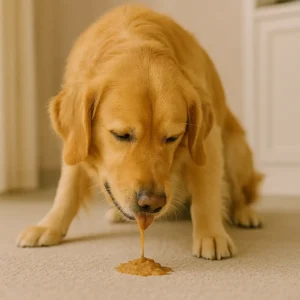
• Frequent, repeated vomiting
• Profuse, foul-smelling diarrhea (often containing blood)
• A hunched, painful posture or abdominal discomfort
| When to see a vet — Fast action saves lives Parvovirus is a medical emergency. If your dog—especially an unvaccinated puppy or adult— stops eating, begins vomiting, has severe or bloody diarrhea, or appears unusually weak, contact a veterinarian immediately. Getting professional care on the same day can mean the difference between life and death. Important Note: Always call the clinic ahead of time. This allows the veterinary team to set up an isolated area before you arrive, keeping other animals safe. |
How is it diagnosed and treated?
Rapid Diagnosis
At Vets24 Veterinary Clinic, we diagnose parvo quickly using standard in-clinic testing along with a blood count. In-house PCR testing is also available to deliver precise results as fast as possible.
Comprehensive Treatment & Care
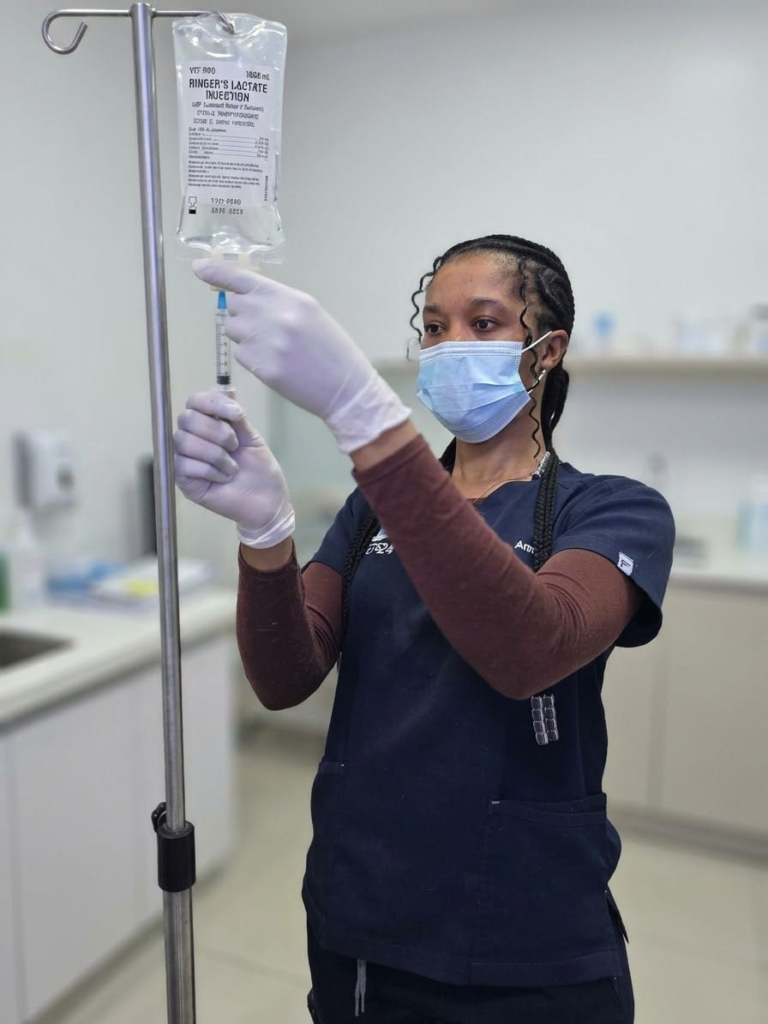
Because parvo is a viral infection, treatment centres on providing intensive supportive care while your dog’s immune system works to fight off the virus. Standard treatment protocols include:
- IV Fluids: Restores hydration and maintains electrolyte balance.
- Targeted Medication: Controls pain and relieves severe nausea/vomiting.
- Antibiotics: Prevents secondary bacterial infections.
- Nutritional Support & 24/7 Care: Round-the-clock nursing care in a specialized isolation ward.
- Monoclonal Antibody Therapy: Newer antibody treatments targeting the virus directly may also be available, offering additional support when administered early.
- With prompt medical intervention and comprehensive hospital care, most dogs, especially those brought in at the first sign of illness, make a full recovery.
How to protect your dog against Canine Parvovirus
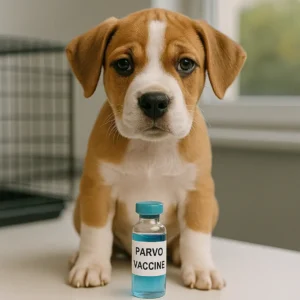
When it comes to keeping your furry family member safe, vaccination is the single most effective step you can take. Canine parvovirus is serious and highly contagious, but the good news is that it’s completely preventable.
Here is everything you need to know to keep your pet protected:
- Stick to the Puppy Vaccination Schedule: Young puppies require a series of shots, usually finishing at around 16 weeks of age or older. This sequence is essential because natural antibodies inherited from their mother can interfere with early vaccines. Your vet will outline the perfect timing for each dose.
- Stay Current on Boosters: Immunity isn’t one-and-done. Keep up with routine booster shots throughout your dog’s adult life to maintain full protection.
- Avoid High-Risk Areas Early On: Until your puppy is fully vaccinated, keep them away from public parks, unfamiliar dogs, and high-traffic pet areas.
- Practice Proper Sanitization: If a sick dog has been in your home, standard household cleaners won’t kill the virus. Ask your veterinarian for a safe, effective disinfectant before introducing any new or unvaccinated pets.
Key Takeaways for Every Dog Owner
Parvo is preventable: Though dangerous, full vaccination gives your dog the best defence. Puppies are most vulnerable: Unvaccinated dogs and young pups face the highest risk. It is not transmissible to humans: Parvovirus only affects dogs and won’t make people sick.
Speed matters: If you notice signs of illness, act immediately—early veterinary intervention saves lives.
Book Your Dog’s Vaccination Today
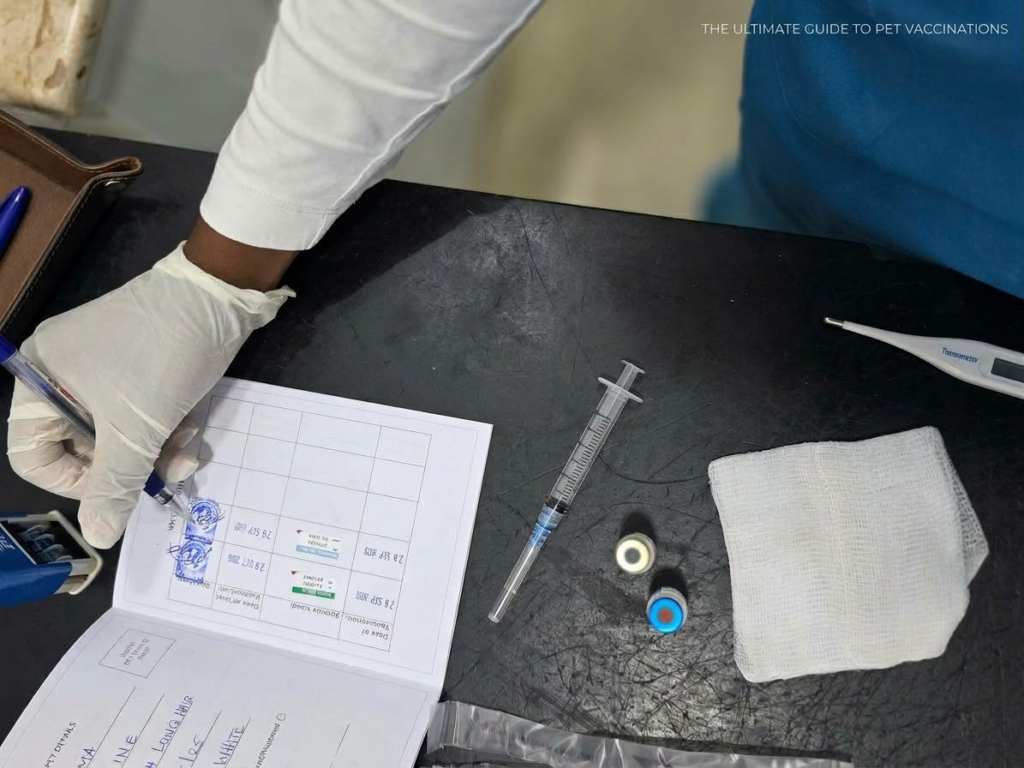
Whether you need to start your new puppy’s initial shot series or suspect your dog might be under the weather, our team is here to help. Contact your nearest Vets 24 clinic today to schedule an appointment.
This article is general information for dog owners and is not a substitute for professional veterinary advice. If you are worried about your dog, please contact your veterinarian.