
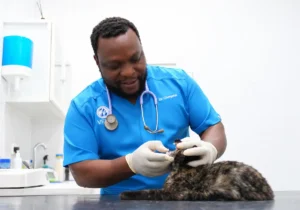


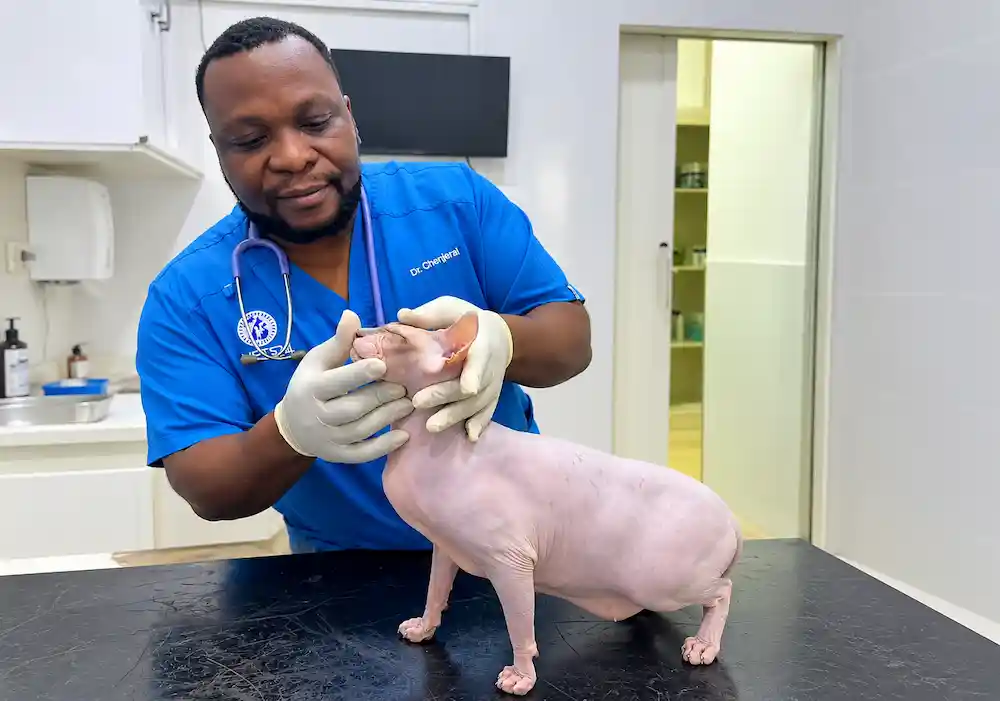

When your pet is in distress, seconds feel heavy. You want clear steps, calm voices, and quick action. That is exactly how our veterinary clinic handles pet emergencies from the moment you reach out.
We move fast, but we do not rush choices. You get real-time updates, straight answers, and a care plan built for your pet’s needs. Here is how we work when every minute counts.
Care Begins Before Arrival
Our emergency line triggers a rapid triage protocol.
- A trained nurse asks focused questions, logs symptoms, and alerts the on-site team.
- If your pet is having trouble breathing, bleeding heavily, or is unresponsive, we prep oxygen, IV fluids, and critical meds before you walk in.
At the door, we run a quick visual triage. Life-threatening cases go straight to stabilization. Stable but urgent cases move into fast-track assessment, so no time is wasted. At Vet Clinic in Ras Al Khaimah, every emergency is handled with calm focus and quick coordination to make sure your pet gets the right care in time.
On-the-Spot Diagnostics, Clear Next Steps
Speed without clarity can backfire. We pair quick stabilization with targeted tests. Depending on symptoms, we may run:
- Point-of-care blood tests for shock, toxins, or organ stress
- X-rays or ultrasound to spot internal issues
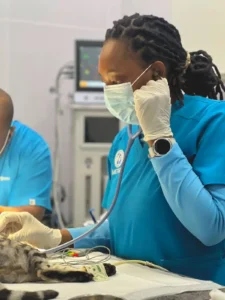
- ECG for heart rhythm changes
- Blood pressure and oxygen checks to guide treatment
You get a simple, direct summary. What we found, what it means, and what happens next. No jargon, just a plan that makes sense.
Sometimes, we suggest checking a local pet store in Ras Al Khaimah if your pet needs special supplies or comfort items after treatment.
Stabilize, Treat, Communicate
Once we identify the priority, our team moves as one. A doctor leads, nurses manage lines and monitoring, and we keep you informed at every step.
Common emergency treatments include:
- Oxygen therapy, IV fluids, and pain control
- Anti-seizure meds or shock management
- Wound care, splints, or emergency surgery prep
- Toxin decontamination and supportive care
If transfer or advanced surgery is best, we coordinate it fast and share records immediately.
What You Can Do Before You Arrive
Small actions can save time and help outcomes. If safe for you and your pet:
- Keep your pet warm and quiet, limit movement if injured.
- Bring any meds, recent records, or toxin packaging.
- Call ahead so we can set up the right equipment.
- Note the timing of symptoms, seizures, or exposures.
Not sure if it is urgent? Review these helpful signs of when to seek immediate veterinary help for pets.
Fast Care, Steady Hands
Emergencies are scary, but you are not alone. Our veterinary clinic handles pet emergencies with speed, focus, and compassion. If your pet is in trouble, call, come in, and let us take it from there.