


Feline panleukopenia — often called feline parvovirus — is a serious, highly contagious illness in cats. The good news: it is also one of the most preventable.
What is feline parvovirus?
Feline parvovirus is a virus that attacks the fastest-growing cells in a cat’s body — mainly the lining of the gut and the bone marrow, where the cells that fight infection are made. This is where the medical name comes from: panleukopenia means a sharp drop in white blood cells, which leaves the cat unable to defend itself against other infections.
The virus is remarkably tough. It can survive in the environment for up to a year and shrugs off many ordinary household cleaners. Despite sharing the name “parvovirus” with a disease in dogs, it does not spread to people.
How do cats catch it?
Most often through contact with the droppings of an infected cat, or with anything the virus has contaminated — litter trays, bedding, bowls, cages, and even hands, clothing and shoes. Because the virus is so hardy, it can be carried indoors on footwear, which means even indoor-only cats aren’t fully safe if they haven’t been vaccinated.
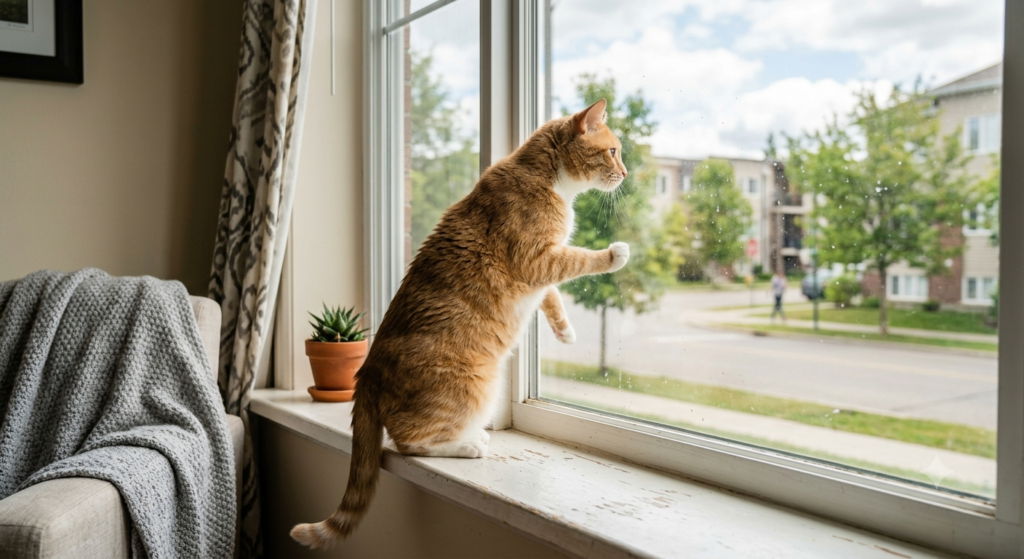
It spreads most easily wherever unvaccinated cats gather — shelters, catteries and the free-roaming street-cat populations common across the UAE. Kittens are by far the most vulnerable.
Signs to watch for
Signs can appear suddenly and may include:
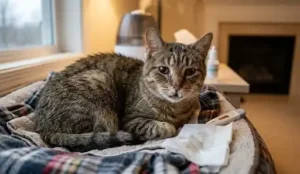
• Loss of appetite and unusual tiredness or hiding
• Fever
• Vomiting
• Diarrhoea, sometimes with blood
• Sitting hunched, sometimes over the water bowl without drinking
• Rapid dehydration and weakness
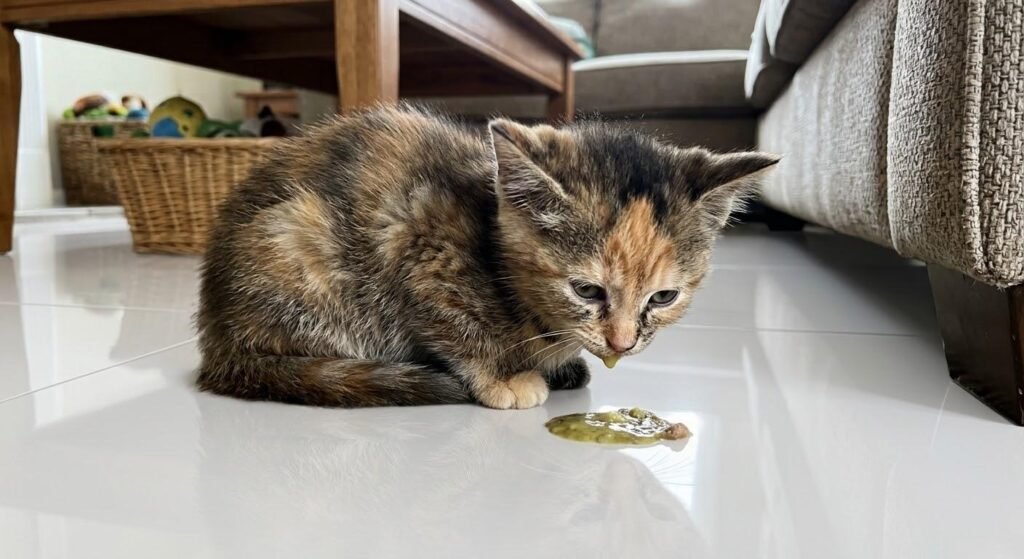
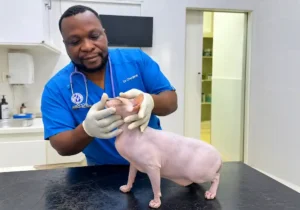
In very young kittens the illness can move alarmingly fast. Kittens infected before birth may be born with a wobbly, unsteady walk — these cats are not in pain and can often go on to live happy, full lives.
| When to see a vet — quickly Feline parvovirus is an emergency. If your cat — especially a kitten or an unvaccinated cat — goes off its food, is vomiting or has diarrhoea, or seems weak or feverish, contact us the same day. Early treatment makes a real difference to whether a cat survives.Please call ahead before you arrive, so our team can prepare an isolation area and protect the other patients in the clinic. |
How is it diagnosed and treated?
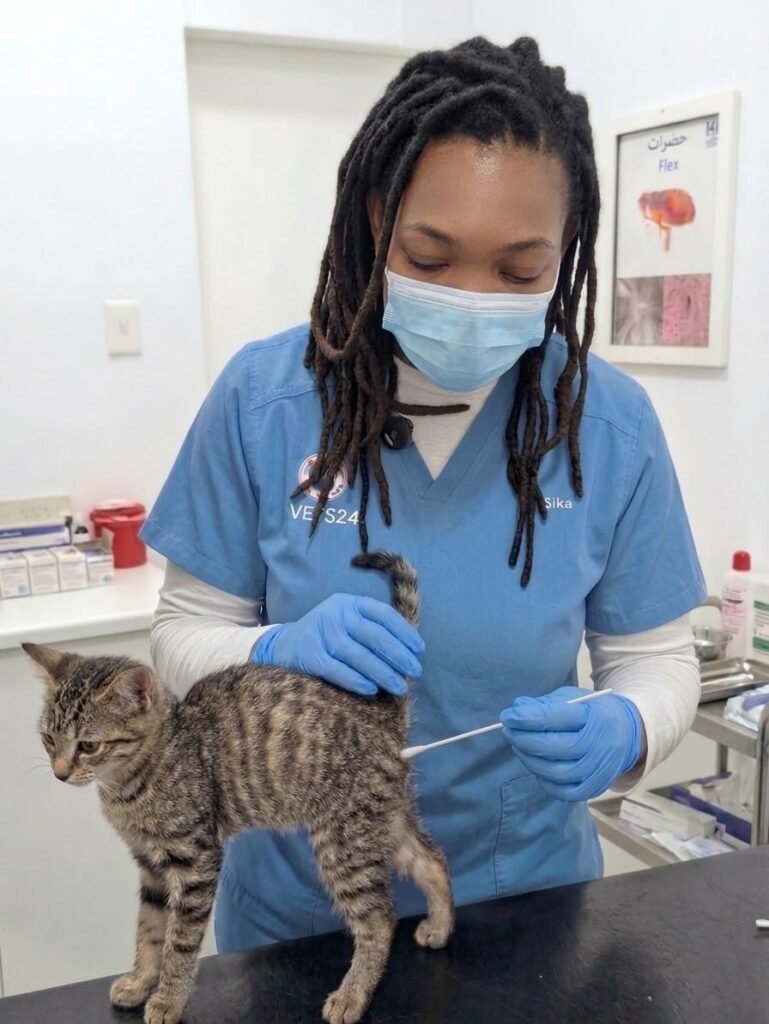
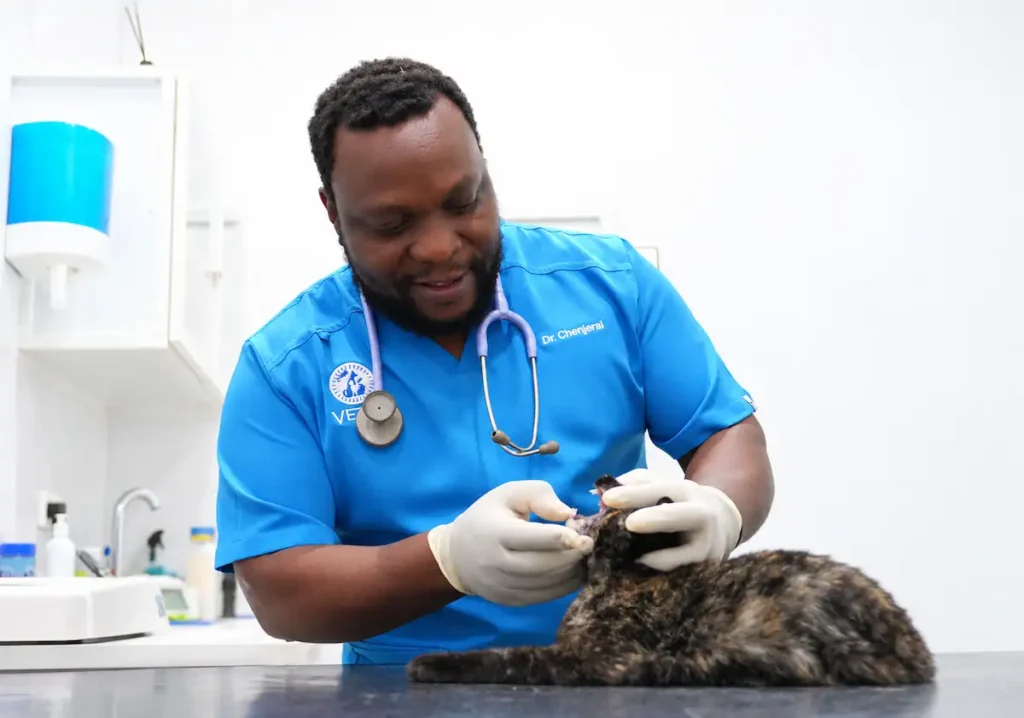
We can usually reach a diagnosis quickly using a simple in-clinic test together with a blood count — and, at Vets 24, in-house PCR testing for a fast, accurate result.
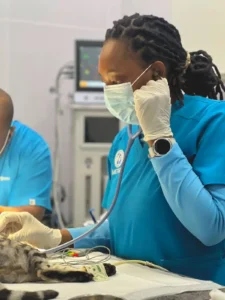
There is no medicine that kills the virus directly, so treatment is about supporting your cat intensively while its own immune system recovers. That means fluids to correct dehydration, medication to control vomiting and pain, antibiotics to prevent secondary infection, nutritional support, and round-the-clock nursing in isolation. Many cats — particularly those brought in early — recover well with proper hospital care.
How to protect your cat
Vaccination is highly effective, and it is the single best thing you can do.
• Vaccinate kittens on schedule and complete the full course — the last kitten vaccination should be given at around 16 weeks of age or older, because the protection a kitten inherits from its mother can block earlier vaccines from working.
• Keep booster vaccinations up to date throughout your cat’s life.
• Keep unvaccinated kittens away from unknown cats and unfamiliar environments.
• If a cat has been ill at home, ordinary cleaning isn’t enough — ask us about the right disinfectant, and check with us before bringing home a new, unvaccinated cat.
| The key points• Feline parvovirus is serious and highly contagious — but preventable.• Kittens and unvaccinated cats are most at risk.• It does not infect humans.• Completing the kitten vaccinations to 16 weeks, then keeping boosters up to date, is the best protection.• If your cat shows signs, act fast — early care saves lives. |
Protect your cat — book a vaccination today.
Our team is here to help, whether you’d like to start your kitten’s vaccinations or you’re worried about a cat that seems unwell. Contact your nearest Vets 24 branch to book an appointment.
Vets 24 Veterinary Clinic — saving lives every day.
This article is general information for cat owners and is not a substitute for professional veterinary advice. If you are worried about your cat, please contact your veterinarian.