
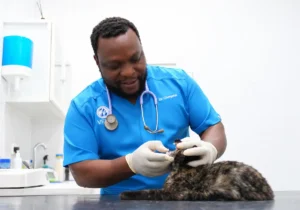






A poisoned dog is every pet parent’s nightmare. Whether it’s accidental ingestion of household chemicals, toxic foods, or harmful plants, acting quickly and correctly can be the difference between life and death. This guide walks you through the crucial steps to take if your dog is poisoned—and how a trusted pet veterinary clinic like Vets24 can be your lifeline in emergencies.
1. Know the Common Culprits
Dogs are naturally curious and often explore the world with their mouths. Unfortunately, that curiosity can lead them straight into danger. Some of the most common sources of poisoning include:
- Human foods: Chocolate, grapes, raisins, onions, garlic, xylitol (found in sugar-free gum)
- Medications: Painkillers, antidepressants, and even some flea treatments
- Household cleaners: Bleach, detergents, and toilet bowl cleaners
- Rodenticides and insecticides
- Toxic plants: Oleander, sago palm, lilies (especially dangerous for cats, but still risky for dogs)
If your dog has been exposed to any of these, every second counts.
2. Recognize the Symptoms Early
Signs of poisoning vary based on the toxin but often include:
- Vomiting or diarrhea
- Drooling or foaming at the mouth
- Tremors, seizures, or uncoordinated movements
- Lethargy or restlessness
- Pale or bluish gums
- Difficulty breathing
Don’t wait for the symptoms to get worse—early action can save your dog’s life.
3. Don’t Play Doctor — Call the Experts
Resist the urge to Google a cure or try home remedies. Contact a pet veterinary clinic immediately. If you’re in the UAE, Vets24 is available 24/7 for pet emergencies. Their team is trained to handle poisoning cases swiftly with state-of-the-art diagnostics and emergency interventions.
While on the phone with the vet:
- Provide details of what your dog may have ingested.
- Share the amount (if known) and the time it happened.
- Describe your dog’s symptoms and breed, age, and weight.
4. Emergency Response at the Clinic
Once you arrive at the vet, a few things might happen depending on the severity and cause:
- Inducing vomiting (only in certain cases)
- Activated charcoal to limit absorption of the toxin
- IV fluids to flush the system and maintain hydration
- Bloodwork and imaging to assess organ damage
- Oxygen therapy or intubation, if breathing is affected
- Emergency surgery if the toxin is a foreign object lodged in the digestive tract
Clinics like Vets24 are fully equipped with in-house diagnostics, surgery, intensive care, and experienced veterinary professionals ready for critical care.
5. Aftercare and Monitoring
Recovery depends on the toxin, your dog’s health, and how quickly treatment began. Aftercare may include:
- Oral medications to protect the liver or kidneys
- Specialized diets for recovery
- Follow-up tests to monitor internal organ function
- Wound care or oxygen therapy if there was respiratory distress
Vets24 offers continuous monitoring, lab testing, and customized treatment plans, ensuring your pet gets the comprehensive care they need to bounce back.
6. Prevention Is Better Than Cure
Here are some ways to poison-proof your home:
- Store human medications and food out of reach
- Avoid using toxic pesticides and rodenticides indoors
- Know which plants are dangerous and remove them from your garden
- Keep a dog-specific first aid kit
- Learn basic canine CPR and emergency response steps
Most importantly, know where your nearest emergency veterinary clinic is. Vets24 not only offers round-the-clock care but also provides wellness checks, grooming, pet dental care, and even pet travel and relocation assistance, making them an all-in-one hub for your pet’s health and happiness.
Final Thoughts
Dog poisoning is scary—but with calm, quick action and the right veterinary support, most dogs can make a full recovery. The key is immediate medical attention. A professional pet veterinary clinic like Vets24 has the skills, tools, and compassion to guide your pet from crisis to comfort.
For expert emergency care and a wide range of services—from routine check-ups to advanced diagnostics, surgery, pet dermatology, dentistry, and more—visit Vets24.