

Introduction: Real Experience with Parvo in the UAE
At our veterinary clinic Ras al khaimah, we recently treated a young Labrador who had received his initial shots but missed his booster appointment. The owner was shocked when the dog showed symptoms of severe diarrhea, weakness, and loss of appetite—classic signs of parvovirus. This raised a common question many pet parents ask: can a dog get parvo after being vaccinated?
With years of experience treating canine diseases in the UAE, our team has seen both the power and the limitations of vaccines. Understanding how protection works is key to keeping your dog safe.
What is Parvovirus and Why Is It Dangerous?
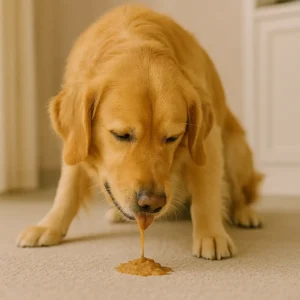
Canine parvovirus is a highly contagious and often deadly virus affecting the gastrointestinal system. Puppies and unvaccinated dogs are at the highest risk. Symptoms include:
- Severe vomiting and diarrhea (often bloody)
- Dehydration and lethargy
- Loss of appetite
- Rapid weight loss
Without immediate veterinary care, parvo can quickly become fatal. This is why vaccines are considered essential by professionals worldwide.
How Vaccination Protects Dogs from Parvo
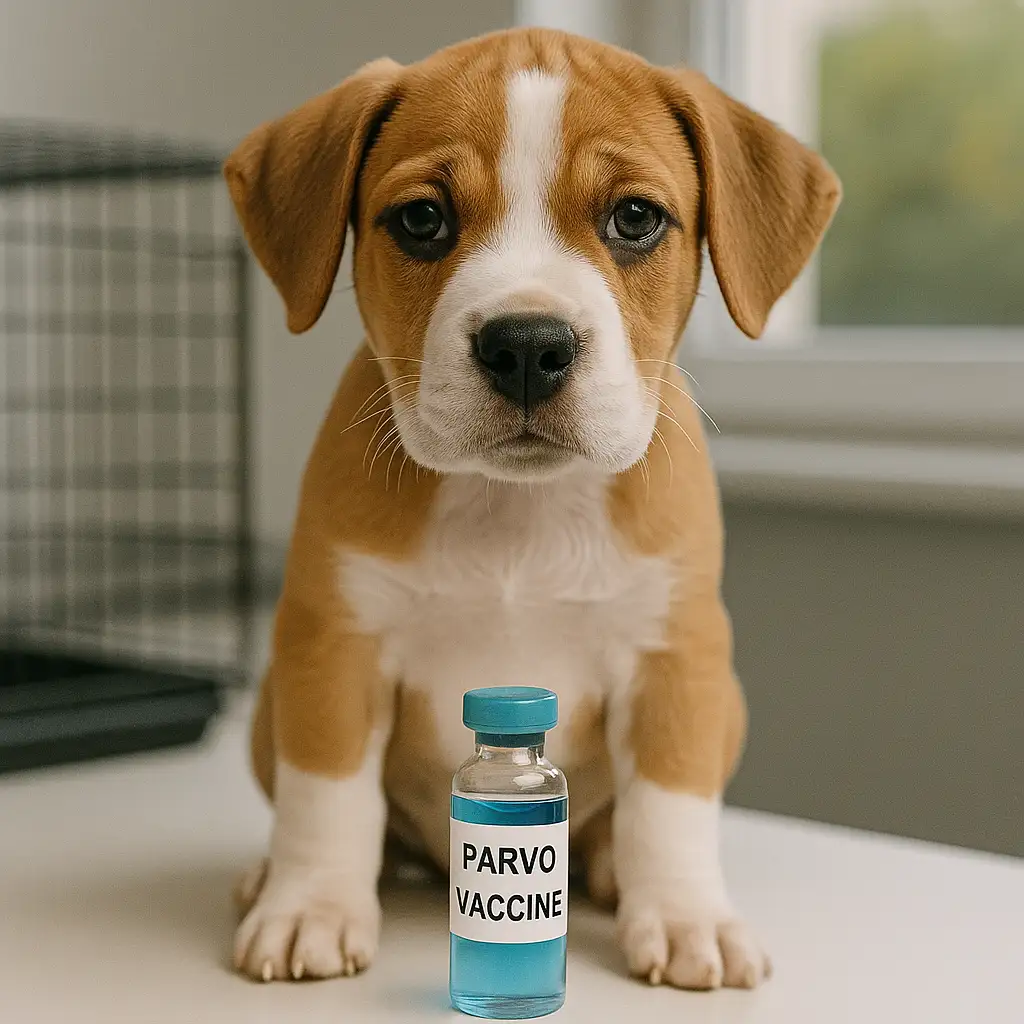
The parvo vaccine stimulates the immune system to recognize and fight the virus. Puppies usually receive a series of shots, followed by booster doses to ensure lasting immunity.
Levels of Protection
- Fully Vaccinated Dogs: The risk of contracting parvo is extremely low but not zero.
- Partially Vaccinated Dogs: Missing boosters reduces protection significantly.
- Unvaccinated Dogs: Highest risk, especially in areas where parvo is present in the community.
While vaccines are not 100% foolproof, they drastically reduce the chances of infection and make symptoms far less severe if a dog does get exposed.
Real Case Study: Missed Booster, Higher Risk
At Vet24, a case involved a Husky puppy who had two doses but missed the final booster. Despite early protection, he contracted parvo after contact with other dogs. The illness was less severe than in unvaccinated dogs, but the puppy still required intensive care.
This example highlights the importance of completing the vaccination schedule. A missed booster can leave your dog vulnerable, even if early doses were given.
Why Vaccinated Dogs Can Still Be at Risk
Maternal Antibody Interference
Puppies receive antibodies from their mother’s milk. These antibodies sometimes block the vaccine from working effectively if given too early.
Incomplete Vaccination Schedule
Skipping or delaying doses weakens immunity. Puppies need multiple doses to build full protection.
Environmental Exposure
Parvo can survive for months in contaminated soil, surfaces, or objects. Even vaccinated dogs exposed to high virus levels may face some risk.
Individual Immune Response
Every dog’s immune system is different. Some dogs may not respond fully to vaccines due to genetics or health conditions.
Expert Insights and Trusted Sources
According to the American Veterinary Medical Association, vaccines significantly reduce parvo risk but do not guarantee 100% immunity. Similarly, the World Small Animal Veterinary Association emphasizes following proper vaccination protocols to ensure the best protection.
At Vet24 UAE, we align with these guidelines, ensuring every vaccination plan is tailored to each dog’s age, health, and lifestyle.
Importance of Local Vaccination Access
Many dog owners delay shots due to cost or scheduling. However, in high-risk areas, prevention is crucial. Services like Pet Vaccination in Ras Al Khaimah make it easier for pet parents to keep their dogs on track with timely protection. Access to affordable, convenient, and professional care ensures your dog is never left vulnerable.
Practical Tips for Dog Owners
- Follow the Schedule: Puppies need 3–4 doses starting at 6–8 weeks, plus yerly boosters.
- Limit Exposure: Keep young puppies away from public areas until fully vaccinated.
- Clean Environment: Disinfect surfaces regularly as parvo can survive for months.
- Regular Vet Visits: Use checkups to confirm immunity and overall health.
Beyond Parvo: Other Vaccinations
While parvo is one of the most serious threats, other diseases also require prevention. Vaccines against distemper, adenovirus, and leptospirosis are part of a core health plan.
Can a vaccinated dog get a kennel cough? The answer is yes, though vaccines reduce severity and spread. This shows why ongoing care, not just one vaccine, is important.
Conclusion
So, can a dog get parvo after being vaccinated? The answer is that while the risk is very low, it’s not completely eliminated. Vaccines remain the best defense, reducing both the chances of infection and the severity of symptoms if exposure happens.
By completing the full vaccination schedule, following booster recommendations, and practicing good hygiene, you protect your dog and the wider pet community in the UAE.
At Vet24, we’re committed to helping every pet parent make informed choices about their dog’s health, ensuring happy, healthy lives for their four-legged companions.