
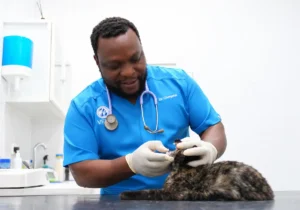
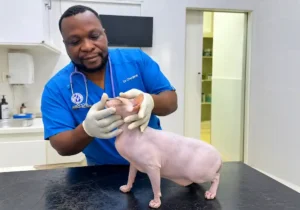


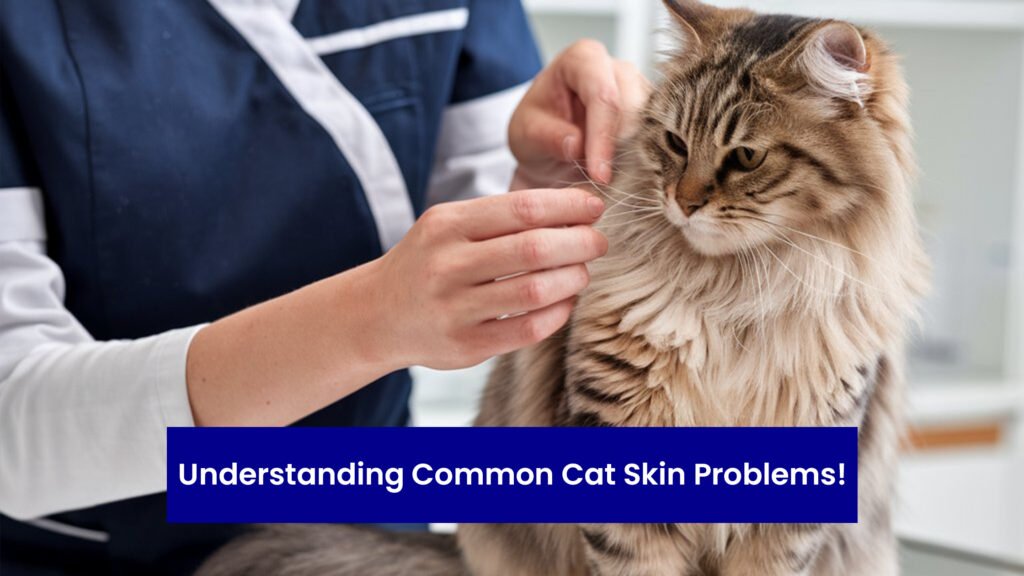

Cats are known for their meticulous grooming habits, but even the most well-kept feline can develop skin issues. Skin problems in cats can be caused by a variety of factors, including allergies, infections, parasites, and underlying health conditions. In some cases, these issues may require emergency care for pets to prevent further complications. Understanding the signs, causes, and treatments of these common problems can help keep your cat happy and healthy.
1. Fleas and Parasites
Fleas are one of the most common causes of skin irritation in cats. These tiny parasites cause intense itching, excessive scratching, and even hair loss. Other parasites, such as mites and lice, can also lead to severe skin conditions.
Signs of Fleas and Parasites:
- Excessive scratching and biting at the skin
- Red or inflamed skin
- Small black specks (flea dirt) in the fur
- Hair loss, especially near the tail and neck
Treatment:
A veterinarian may recommend topical or oral flea treatments, medicated shampoos, and thorough cleaning of your home to eliminate fleas and their eggs.
2. Allergies
Cats can develop allergies to food, environmental factors (such as pollen or dust mites), or flea bites. These allergies often manifest through skin problems.
Signs of Allergies:
- Excessive licking and scratching
- Red, inflamed skin
- Scabs and sores
- Ear infections
Treatment:
Your vet may recommend allergy testing, dietary changes, antihistamines, or corticosteroids to manage symptoms.
3. Ringworm
Ringworm is a fungal infection that affects the skin, hair, and nails. Despite its name, it is not caused by a worm but by a fungus.
Signs of Ringworm:
- Circular patches of hair loss
- Red, scaly, or crusty skin
- Brittle or broken hair
- Itchiness (in some cases)
Treatment:
Ringworm is highly contagious and requires antifungal medication, medicated shampoos, and environmental decontamination to prevent the spread of infection.
4. Dermatitis
Cats can develop various forms of dermatitis due to irritants like chemicals, plants, or even excessive grooming.
Signs of Dermatitis:
- Red, swollen skin
- Itchiness and discomfort
- Scabbing or open sores
- Hair loss
Treatment:
Identifying and removing the source of irritation is key. Your vet may prescribe medicated creams or anti-inflammatory medications.
5. Feline Acne
Feline acne commonly appears as blackheads or pimples on a cat’s chin and lower lip. It can be caused by dirty food bowls, stress, or excessive oil production.
Signs of Feline Acne:
- Small black specks on the chin
- Swelling and redness
- Pus-filled lesions (in severe cases)
Treatment:
Regularly cleaning your cat’s chin and using stainless steel or ceramic food bowls can help. In more severe cases, medicated wipes or topical treatments may be necessary.
When to See a Vet
If your cat exhibits persistent scratching, hair loss, open sores, or changes in their coat, it’s important to consult a veterinarian. Early diagnosis and treatment can prevent minor skin issues from becoming serious health concerns.
For the best care and expert advice, visit Vets24, a trusted vet clinic dedicated to keeping your furry friend in optimal health. Their experienced professionals can diagnose and treat all types of skin conditions, ensuring your cat stays comfortable and happy.