



Just like humans, dogs can suffer from bone fractures that require immediate medical attention. Whether it’s a minor hairline crack or a complete break, fractures can be extremely painful and limit your dog’s mobility. As a responsible pet owner, it’s crucial to understand the common causes and symptoms of dog fractures so you can act quickly in an emergency. If you suspect your dog may have a broken bone, seeking help from a vet clinic in Fujairah should be your first step for professional care and accurate diagnosis.
What is a dog fracture?
A fracture is essentially a break or crack in a bone. In dogs, fractures can range from simple (clean break with minimal damage to surrounding tissue) to complex (bone shattered or piercing through the skin). These injuries can occur in any part of the skeletal system but are most common in the legs, hips, and ribs.
Fractures in dogs are typically classified into several types:
- Closed Fractures: The bone breaks but doesn’t pierce the skin.
- Open (Compound) Fractures: The bone breaks and protrudes through the skin, leading to a higher risk of infection.
- Hairline or Stress Fractures: Small cracks in the bone, often from repetitive stress or minor trauma, can be diagnosed early with a stress-free visit to the vet.
Common Causes of Dog Fractures
There are numerous ways a dog can suffer a fracture, and knowing the common causes can help you prevent accidents.
- Trauma or Accidents
The most frequent cause of fractures in dogs is trauma, such as being hit by a car or falling from a significant height. These incidents often result in complex fractures that need surgical intervention. In such cases, immediate assessment at an Orthopaedic Clinic in Fujairah can be critical for your dog’s recovery. - Rough Play or Collisions
Dogs are naturally energetic and playful, but rough play with other dogs or running into hard objects can sometimes lead to bone injuries. - Bone Diseases or Genetic Disorders
Conditions like osteoporosis, bone cancer, or congenital bone disorders can make your dog’s bones more fragile and prone to fractures. - Improper Nutrition
A lack of essential nutrients like calcium and phosphorus can weaken your dog’s bones, increasing the risk of breaks. Always consult a vet near me to ensure your pet’s diet is well-balanced. - Old Age
Senior dogs often have brittle bones and lower coordination, making them more susceptible to falls and fractures.
Symptoms of Dog Fractures
Identifying the signs of a fracture early can prevent further injury and complications. Some symptoms to watch out for include
- Limping or Refusal to Bear Weight
One of the clearest signs of a fracture is when your dog limps or avoids putting weight on a limb. In severe cases, your dog may not move the leg at all. - Swelling and Bruising
Swelling around the injured area is common and may be accompanied by visible bruising or heat. - Crying or Whimpering in Pain
Dogs in pain often vocalize their discomfort. If your dog yelps when touched in a specific area, it could indicate a fracture. - Deformity or Unusual Positioning of a Limb
A limb that looks bent or twisted unnaturally should be examined immediately. Deformity usually suggests a complete break. - Loss of Appetite and Lethargy
Pain and stress from an injury can cause your dog to eat less and become more withdrawn or tired.
If your dog exhibits any of these symptoms, visit a vet near me or a specialized orthopedic clinic in Fujairah to get a proper evaluation.
Diagnosis and Treatment
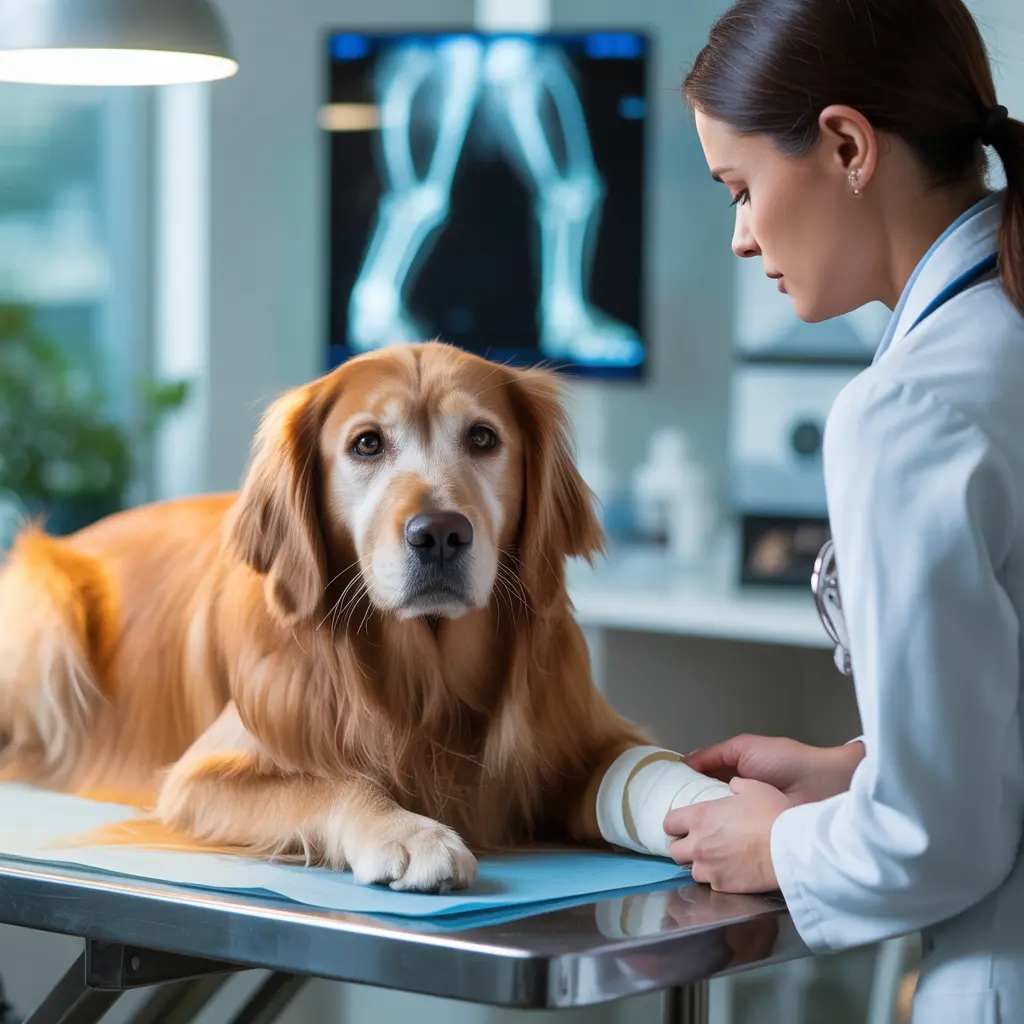
Once you take your dog to a vet clinic in Fujairah, the veterinarian will perform a physical exam and likely order X-rays to assess the type and severity of the fracture. Based on the results, treatment options may include:
- Splinting or Casting
Suitable for simple fractures, this method immobilizes the limb to allow the bone to heal naturally. - Surgical Repair
Complex or displaced fractures may require surgical plates, screws, or pins to realign the bone properly. - Pain Management and Rest
Pain relief medications, anti-inflammatories, and a strict rest regime are crucial for your dog’s recovery. - Physical Therapy
After initial healing, some dogs benefit from physical therapy to regain strength and mobility.
Preventing Fractures in Dogs
While not all accidents are preventable, there are steps you can take to reduce the risk of your dog getting a fracture:
- Supervise playtime, especially with larger dogs.
- Use a leash near busy roads.
- Feed your dog a balanced diet with sufficient calcium and vitamin D.
- It’s important to schedule regular checkups with a vet near me to catch any underlying bone health issues early.
Final Thoughts
Understanding the causes and symptoms of dog fractures helps you act quickly and effectively during an emergency. From identifying the warning signs to knowing when to visit an orthopedic clinic in Fujairah, being informed can make a big difference in your dog’s recovery. Always prioritize prompt medical care from a reliable vet clinic in Fujairah, and maintain open communication with your veterinarian to ensure your pet receives the best treatment possible.