


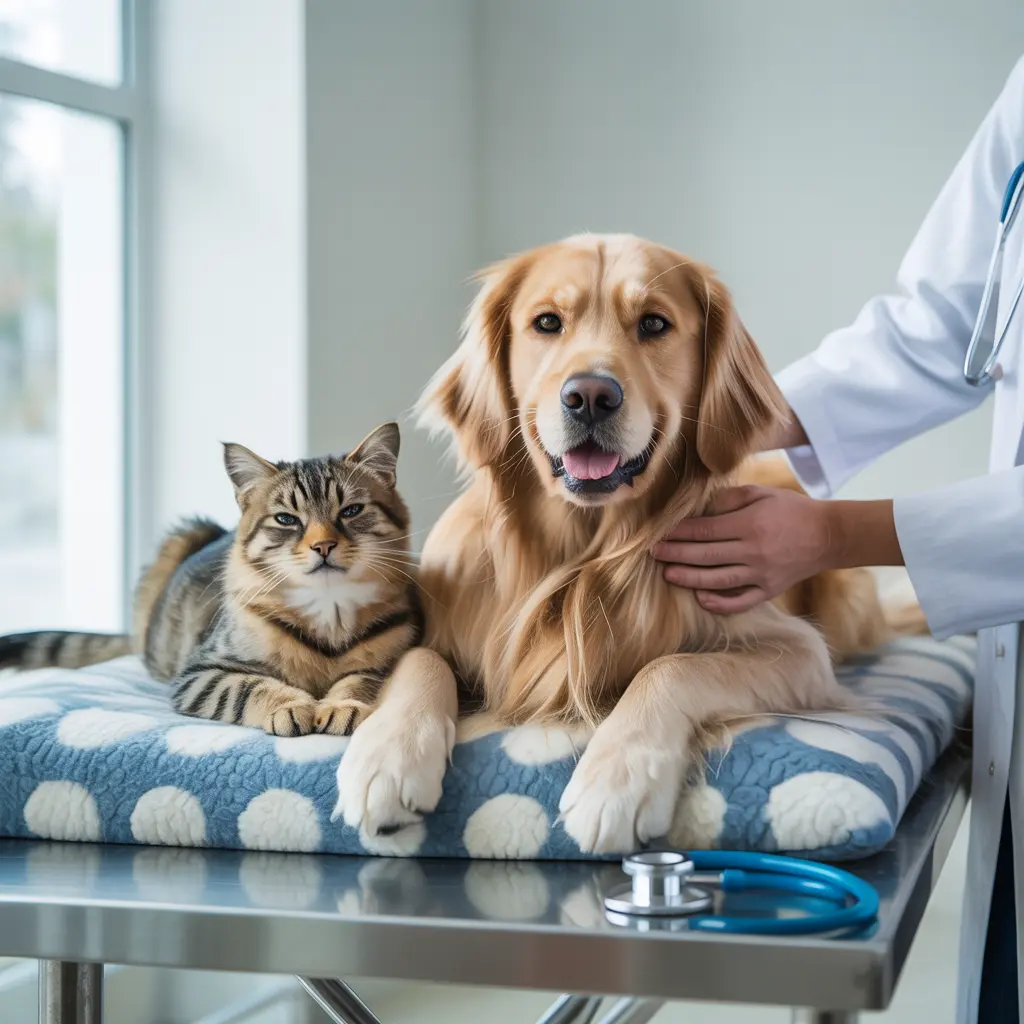

Regular vet checkups are an essential part of keeping your pet healthy and happy. However, for many pets (and their owners), a trip to the veterinary clinic can be a stressful experience. The unfamiliar environment, strange smells, and the presence of other animals can make even the calmest pets anxious.
Fortunately, with a little preparation, you can help make vet visits more comfortable for your furry friend. Here are 7 effective tips to prepare your pet for a stress-free veterinary visit.
1. Get Your Pet Used to the Carrier or Leash
For cats and smaller dogs, the carrier can be a source of fear because it usually signals something unpleasant. Start leaving the carrier out in a familiar space several days before the appointment. Place treats, toys, or a soft blanket inside to create a positive association. For dogs, get them comfortable with their leash and collar by taking short walks and gradually introducing new environments.
Tip:
Never force your pet into the carrier. Instead, encourage them gently using treats and praise.
2. Practice Handling and Gentle Restraint
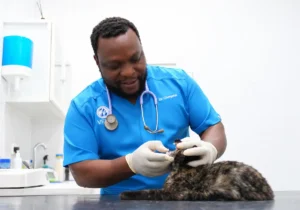
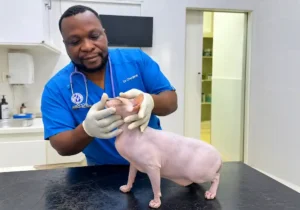
Veterinarians often need to examine your pet’s ears, paws, mouth, and abdomen. If your pet isn’t used to being touched in these areas, the exam can be stressful. Practice light, positive handling at home, mimicking some of the ways the vet might examine them. Reward calm behavior with treats and affection.
3. Schedule Wisely
If your pet is particularly nervous or reactive, try to schedule appointments during quieter times of the day. Some veterinary clinics offer special hours for anxious pets or separate waiting areas for dogs and cats. Early morning or mid-afternoon slots are often less busy.
4. Bring Comfort Items
Familiar items such as a favorite toy, blanket, or a piece of your clothing with your scent can provide comfort in an unfamiliar environment. These items can help soothe your pet while waiting for their appointment.
Tip:
If you’re bringing a cat, a towel lightly sprayed with feline pheromones can have a calming effect.
5. Use Treats and Positive Reinforcement
Bring your pet’s favorite treats and offer them throughout the visit—before entering the clinic, in the waiting area, and even after the exam. This can help change your pet’s perception of the vet from a place of fear to a place where good things happen.
6. Stay Calm and Composed
Pets pick up on your emotions. If you’re nervous or tense, your pet is likely to feel the same way. Use a calm tone, gentle movements, and maintain a relaxed demeanor. Reassure your pet with soothing words and lots of praise.
7. Consider Desensitization and Social Visits
If vet visits are especially difficult, consider taking your pet for short “social visits” to the clinic where no exams take place. This can help them get used to the smells, sounds, and staff in a low-stress way. Over time, these visits can reduce anxiety.
Bonus: Discuss Anxiety Solutions with Your Vet
If your pet remains extremely fearful despite your efforts, talk to your veterinarian about other options. They may recommend calming supplements, pheromone diffusers, or, in some cases, mild anti-anxiety medications to ensure your pet’s well-being during the visit.
Choose the Right Clinic for a Better Experience
A big part of ensuring a stress-free vet visit comes down to choosing the right veterinary clinic—one that is compassionate, professional, and skilled at handling pets with care and patience. If you’re searching for top-quality Veterinary Services, we highly recommend Vets24. Known for their exceptional team and state-of-the-art facilities, Vets24 is considered the best veterinary clinic for pet owners who want the very best care for their furry companions.