
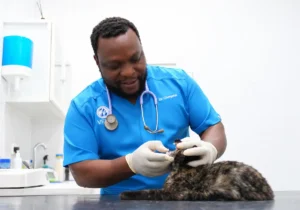
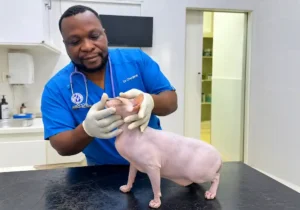

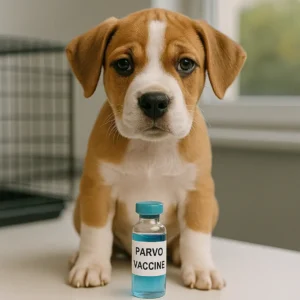
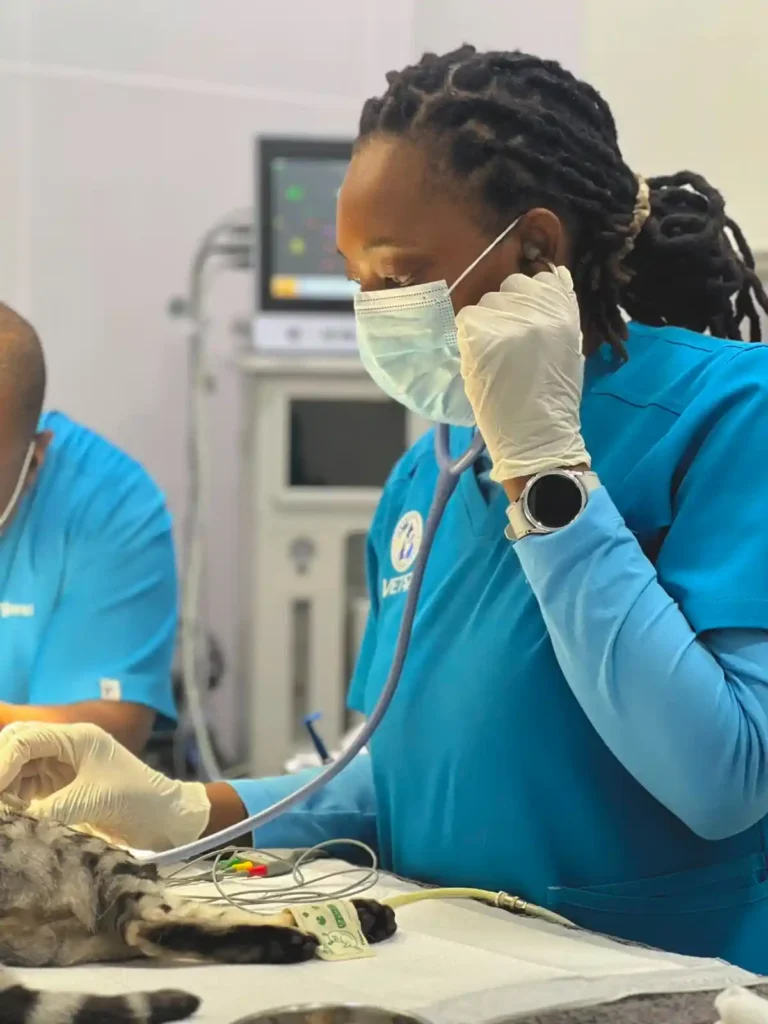

When an emergency strikes, every second counts, especially when it involves your furry friend. Whether it’s a minor cut, a sudden collapse, or choking, knowing what to do can make all the difference between panic and saving your pet’s life. Pet first aid isn’t just for veterinarians; it’s an essential skill for every pet owner.
In this Blog, I will tell you how these 7 crucial pet first aid secrets can help you respond calmly, confidently, and effectively when your pet needs you most.
1. Know the Basic Pet Vital Signs
Before an emergency happens, learn how to check your pet’s vital signs. This gives you a clear sense of what’s normal and what’s not.
- Normal temperature: 38–39°C (101–102.5°F)
- Normal heart rate: 70–160 beats per minute (varies by size and breed)
- Normal breathing rate: 10–30 breaths per minute
Personal Tip: It’s really helpful to have a thermometer and a small notebook to record your pet’s baseline readings. I always picked up mine from a reliable pet store in Ras Al Khaimah back when I lived in the city. Having that log can make all the difference for your vet in an emergency.
2. Always Keep a Pet First Aid Kit Ready
A well-stocked pet first aid kit can be a lifesaver in emergencies. It should include:
- Gauze pads and bandages
- Antiseptic wipes and tweezers
- Hydrogen peroxide (for inducing vomiting only when instructed by a vet)
- Digital thermometer
- Scissors and gloves
- Emergency blanket
- Remember to keep your vet’s contact info and an emergency animal hospital number.
I remember when I first got my golden retriever, Leo. I was living in Ras Al Khaimah and was a bit overwhelmed with the long list of things I needed. My saving grace was discovering a fantastic pet shop in Ras Al Khaimah. I found everything I needed for him under one roof. It honestly made being a new pet parent so much easier.
3. Learn How to Handle Choking
Choking is one of the most common pet emergencies. If your dog or cat starts pawing at their mouth, gagging, or struggling to breathe:
- Open their mouth carefully and look for any visible obstruction.
- Remove objects only if you can see and safely reach them.
- If your pet is still choking, perform the Heimlich maneuver for pets:
For small pets: Hold them upside down and gently shake.
For large dogs: Stand behind, place hands below the rib cage, and give firm upward thrusts.
Please never use excessive force. You could injure your pet’s ribs or organs.
4. Control Bleeding Quickly
Bleeding from cuts or injuries needs immediate attention:
- Apply direct pressure with a clean cloth or gauze for 5–10 minutes.
- Keep the area elevated if possible.
- If bleeding continues after 10 minutes, it’s time to head to the vet.
Important: Avoid using tourniquets unless specifically advised by a veterinarian, as improper use can cause tissue damage.
5. Recognize Signs of Shock
Shock can occur after trauma, blood loss, or extreme stress, and it can be fatal if not treated quickly. Watch for these signs:
- Pale gums
- Weak or rapid pulse
- Cold extremities
- Trembling or collapse
What to do: Keep your pet warm and calm, elevate their hind legs slightly, and seek veterinary help immediately.
6. Know What to Do in Case of Poisoning
Common household items like chocolate, onions, certain plants, and human medications can be toxic to pets.
If you suspect poisoning:
- Always consult a veterinarian before inducing vomiting.
- Note what your pet ate, how much, and when.
- Call your vet or a pet poison control hotline right away.
Preventive Tip: Store all chemicals, cleaning products, and human foods well out of reach.
7. Stay Calm and Contact Your Vet Immediately
Perhaps the most important first aid secret is to stay calm.
- Always call your veterinarian before taking any major first aid steps, especially for injuries, seizures, or sudden illness.
- In many cases, quick professional advice can save your pet’s life.
- This is also a key reason to choose a reputable pet boarding in Ras Al Khaimah; a quality facility will have direct vet access and clear emergency protocols for your peace of mind.
Final Thoughts
Being prepared for a pet emergency is one of the greatest gifts you can give your furry companion. With these 7 crucial pet first aid secrets, you’ll be ready to act fast, stay composed, and possibly save your pet’s life.
Remember: Pet first aid is not a replacement for veterinary care, but it’s the bridge that helps your pet reach professional help in time.