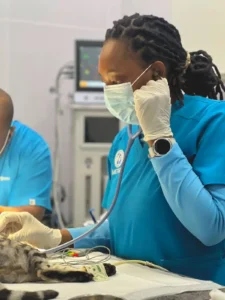
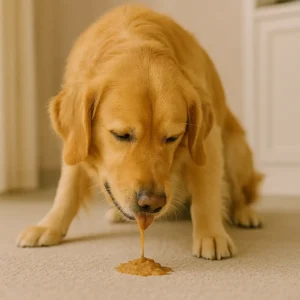
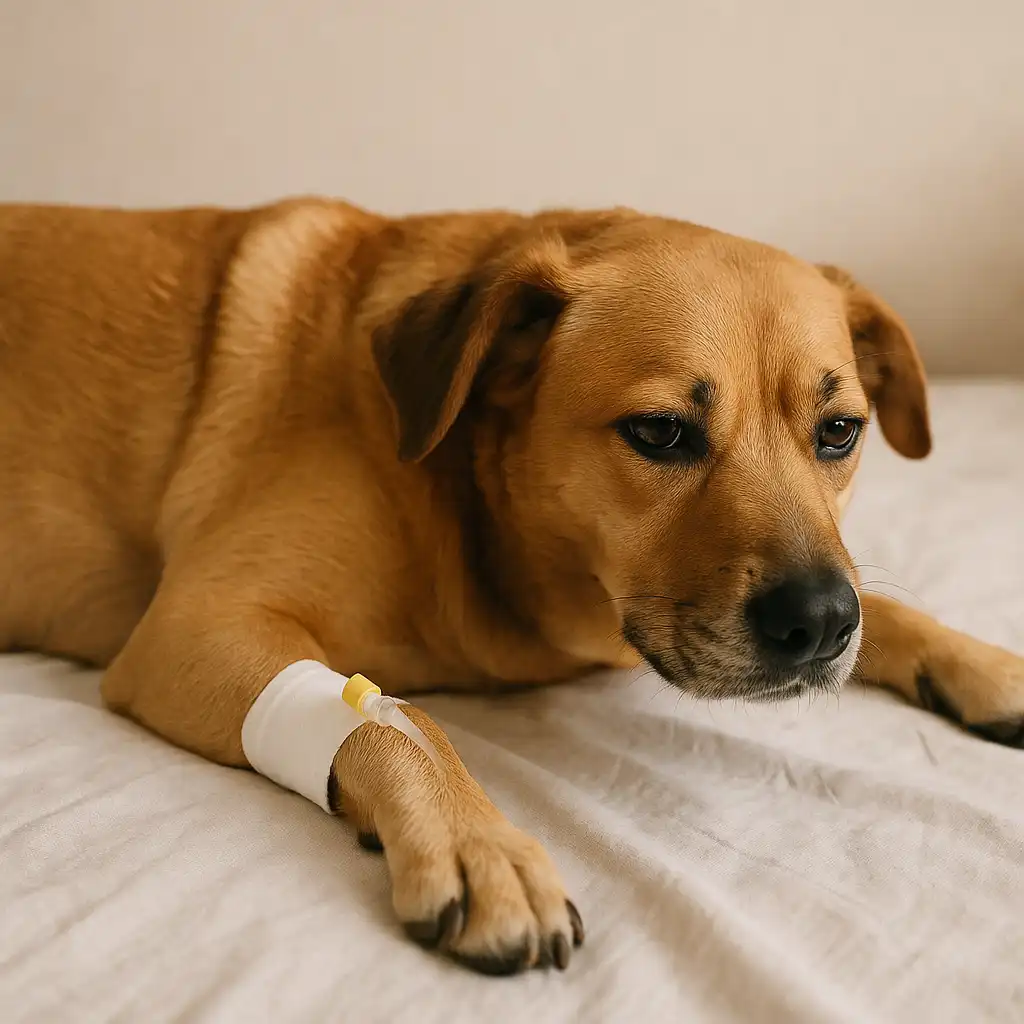

Surgery can be stressful for both pets and owners. While recovery often focuses on incision care and rest, many pet parents are surprised when they notice their dog constipated after surgery. This issue is more common than you might think—studies show that up to one-third of dogs experience gastrointestinal changes following anesthesia or post-surgery medications.
In this article, we’ll explore the causes, safe remedies, and preventive steps you can take to keep your dog’s digestive system healthy.
Why Dogs Get Constipated After Surgery
Understanding the causes helps you respond quickly. The main reasons include:
- Anesthesia: Slows down the digestive tract.
- Pain medications: Opioids and anti-inflammatory drugs often lead to constipation.
- Dehydration: Surgery and recovery can reduce fluid intake.
- Reduced movement: Lack of exercise affects gut motility.
- Stress and anxiety: Change in routine and environment can disrupt digestion.
If left untreated, constipation may cause discomfort, abdominal pain, and in rare cases, more serious complications.
Signs of Constipation in Dogs
How do you know if your dog is struggling with constipation? Watch for these signs:
- Straining with little or no stool passed
- Hard, dry, or pebble-like feces
- Whining or discomfort during bowel movements
- Loss of appetite and lethargy
- Occasional vomiting or bloating
Spotting these symptoms early helps you take quick action.
Safe Home Remedies to Relieve Constipation
Fortunately, there are simple and safe remedies to help a dog constipated after surgery. Always check with your vet first before trying new remedies.
1. Increase Hydration
- Keep fresh water available at all times.
- Add ice cubes or low-sodium broth to encourage drinking.
- Switch to wet food for added moisture.
2. Add Fiber to Meals
- Plain canned pumpkin is a vet-approved option.
- Green beans, carrots, and small amounts of apple can also help.
3. Healthy Oils
- A small amount of olive or coconut oil can lubricate the digestive tract.
4. Gentle Exercise
Short walks stimulate bowel movements once your vet approves movement.
5. Probiotics
Adding probiotics helps restore healthy gut bacteria, especially after antibiotics or surgery.
When to Visit a Veterinarian
Not all cases of constipation can be handled at home. Seek immediate veterinary help if:
- Your dog hasn’t had a bowel movement in more than 48 hours
- There is blood in the stool
- Severe bloating or vomiting occurs
- Your dog refuses food or water completely
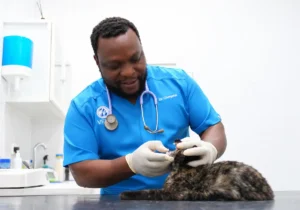
A veterinary clinic Ras al khaimah or your local pet hospital can provide advanced treatments such as stool softeners, enemas, or adjustments to medication. Timely intervention prevents serious complications.
Prevention: Keeping Constipation Away
The best way to help your dog is to prevent constipation in the first place.
- Ensure constant access to clean water.
- Maintain a balanced, fiber-rich diet.
- Allow gentle activity during recovery.
- Stick to a regular feeding routine.
- Schedule follow-up check-ups with your vet.
These steps will support long-term digestive health even after surgery.
The Role of Grooming and Stress Relief
Post-surgery recovery isn’t only about medical care. A stress-free and clean environment helps improve overall health, including digestion. Professional services such as Pet Grooming ras al khaimah keep your dog comfortable, hygienic, and less stressed, which indirectly supports smoother recovery.
Related Considerations: Cats and Surgery Prep
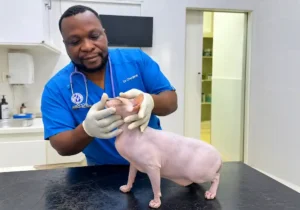
Interestingly, constipation issues in dogs after surgery are often compared with pre-surgery care for cats. For example, veterinarians typically recommend “Cat Not Eat Before Surgery” to reduce anesthesia risks. Both cases highlight how important diet and digestive health are around surgical procedures—whether preventing complications in cats or relieving constipation in dogs.
Final Thoughts
A dog constipated after surgery can be worrying, but with the right care, most cases resolve quickly. Hydration, fiber, probiotics, and gentle movement often bring relief. If symptoms persist beyond 48 hours or worsen, contact a professional vet immediately.
Surgery recovery takes patience and attention. By combining safe home remedies with professional guidance, you’ll ensure your dog returns to a happy, healthy, and active life.