




Cats are excellent at concealing discomfort, which often makes it difficult for owners to know when their pets are suffering. Whether the pain stems from surgery, injury, or a chronic condition, providing proper relief is essential. Many owners ask: “Can I give my cat pain medicine at home?” The answer is not without veterinary guidance. Cats metabolize drugs differently from humans and dogs, making some common painkillers highly toxic.
This article explains how to recognize pain in cats, which medications are safe under professional supervision, and why consulting a vet is always the safest route.
Recognizing Pain in Cats
Because cats instinctively mask weakness, signs of pain can be subtle. Look out for:
- Loss of appetite or reluctance to eat.
- Withdrawal, hiding, or unusual aggression.
- Limping, stiffness, or refusal to jump.
- Excessive grooming of one spot.
- Change in litter box habits.
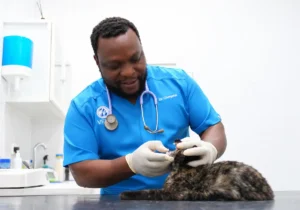
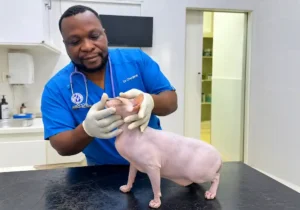
For peace of mind, booking a check-up at a veterinary clinic in Ras Al Khaimah or in your local area ensures that symptoms are evaluated by professionals who can determine whether pain management is necessary.
Why Human Painkillers Are Dangerous for Cats
It might feel natural to offer your cat human pain medication, but this can be life-threatening. Cats lack the ability to break down many drugs safely.
Acetaminophen (Tylenol)
Even one pill can cause fatal liver damage and blood disorders.
Ibuprofen or Naproxen (Advil, Aleve)
These NSAIDs can lead to kidney failure and stomach ulcers.
Aspirin
Sometimes used under veterinary direction, but dosage must be extremely precise.
Key takeaway:Never give cats human medicine unless specifically prescribed by a veterinarian.
Vet-Prescribed Pain Medicine for Cats
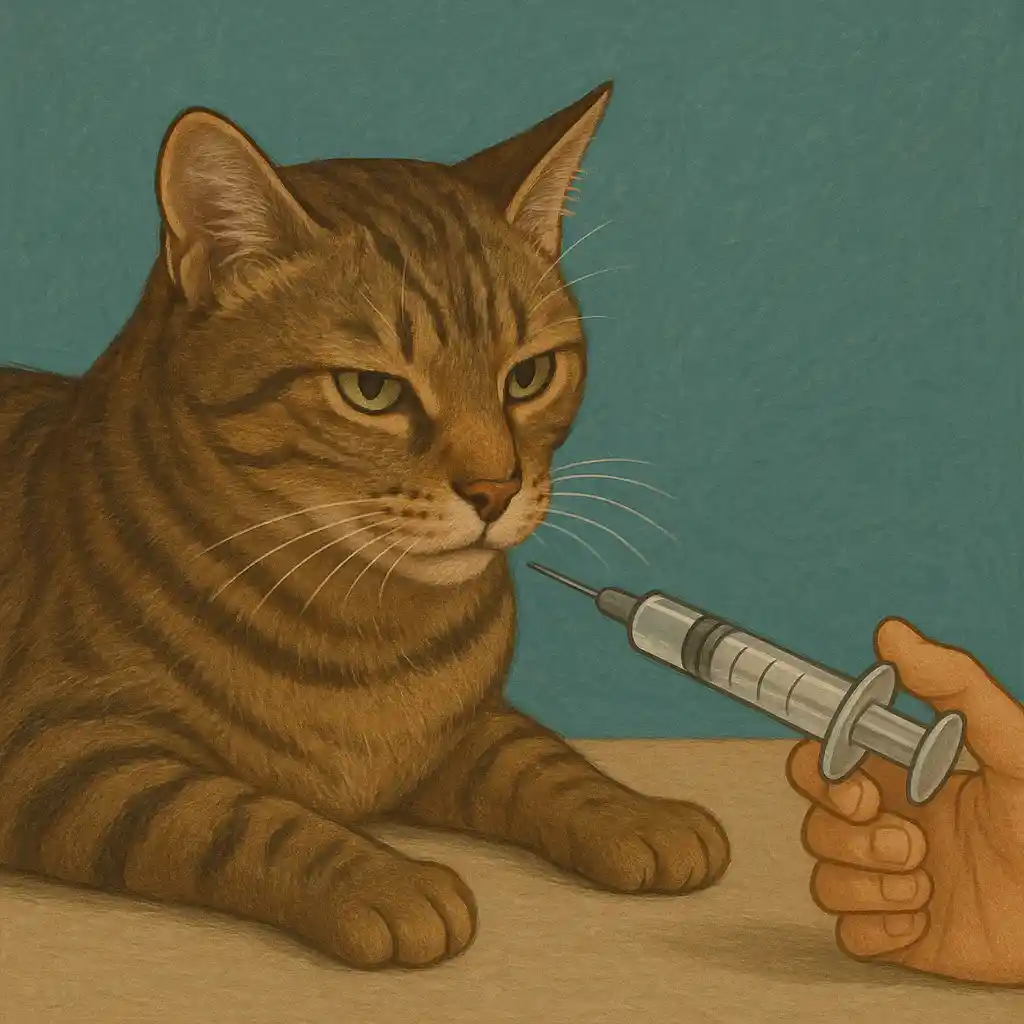
Safe options exist, but only under veterinary prescription:
- Buprenorphine: A commonly used opioid for post-surgical and chronic pain.
- Gabapentin: Helpful for nerve pain and anxiety before vet visits.
- Meloxicam: An NSAID sometimes used in low, controlled doses.
- Corticosteroids: For inflammation, though not ideal for long-term use.
Supporting care, such as joint supplements or weight management, is often recommended alongside prescription medications.
Comforting Cats at Home
In addition to vet-prescribed medicine, small changes can ease your cat’s discomfort:
- Provide a warm, cushioned resting area.
- Use ramps or low-sided litter boxes to improve mobility.
- Help with grooming to keep your cat clean and comfortable.
Owners often find parallels when caring for dogs too. For example, regular pet grooming services not only keep pets clean but also prevent mats and discomfort, showing how small steps in daily care reduce stress and pain for animals.
The Role of Veterinary Diagnostics
Sometimes the signs of pain point to a deeper problem such as arthritis, dental disease, or internal illness. This is where professional evaluation matters. A critical part of this process is diagnostic imaging, which helps vets uncover hidden issues that cannot be detected during a physical exam alone.
Why You Should Consult a Vet First
Attempting to medicate at home without guidance can:
- Mask serious underlying disease.
- Delay life-saving treatment.
- Cause severe drug toxicity.
For sudden or intense pain episodes, clinics with Emergency Vets in ras al khaimah provide immediate assistance, ensuring cats get rapid relief and proper monitoring.
FAQs About Cat Pain Medicine
Can I Use Over-the-Counter Pet Medications?
Not without veterinary advice. Many OTC products for dogs are unsafe for cats.
Are Herbal Remedies Safe?
Some natural remedies are toxic. Always confirm with your vet before trying alternatives.
What If My Cat Is in Pain at Night?
Seek out emergency care if your cat is in visible distress. Do not attempt human medication.
Preventing Pain in Cats
Routine care is one of the best ways to prevent long-term discomfort. Regular check-ups, dental cleanings, weight control, and early arthritis monitoring go a long way in improving a cat’s quality of life.
Conclusion
So, can you give your cat pain medicine at home? Only if it’s prescribed by a veterinarian. Human medications like ibuprofen or acetaminophen can be deadly, and even safe feline drugs require careful dosing.
If your cat shows signs of pain, contact a trusted vet immediately. With proper treatment, supportive home care, and preventive health measures, your cat can remain comfortable, safe, and happy for years to come.