
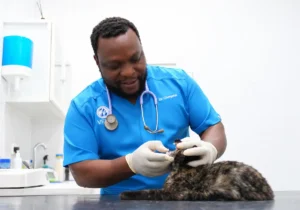






When it comes to caring for our furry companions, most pet owners spare no effort in ensuring their pets are happy, healthy, and safe. From proper nutrition to regular checkups and emergency care, veterinary bills can add up quickly. That’s where pet health insurance steps in—providing financial support in times of unexpected medical needs. But one question pet owners frequently ask is, does pet health insurance cover vaccinations?
Let’s dive into the details and uncover how pet insurance works, what’s typically included, and whether your pet’s vaccinations can be reimbursed under your current or potential insurance plan.
What Is Pet Health Insurance?
Pet health insurance is similar to human health insurance in many ways. It helps cover the cost of veterinary care, making treatments and procedures more affordable for pet owners. Policies differ based on the provider and plan selected but generally include:
- Accident-only plans
- Accident and illness coverage
- Comprehensive wellness plans
Most basic plans cover emergency treatments, surgery, diagnostic tests, and sometimes prescription medications. However, preventive care—including pet vaccination, flea/tick prevention, and dental cleaning—is often excluded from standard policies unless added as an extra.
Are Vaccinations Covered by Pet Insurance?
In most cases, vaccinations are not covered by standard pet insurance policies. However, many insurance companies offer an optional wellness or preventive care add-on that does cover routine services like
- Core vaccinations (rabies, distemper, parvovirus)
- Annual boosters
- Puppy and kitten vaccination schedules
- Non-core vaccines (like Bordetella or Lyme disease, depending on your region)
These wellness plans are designed to support the ongoing preventive care that keeps your pet healthy year-round. It’s important to note that these services are reimbursed up to a limit per year and may require upfront payment at the time of service.
Why Vaccinations Matter for Pets
Vaccinations are a critical aspect of preventive healthcare for your dog or cat. They protect pets from serious, sometimes fatal diseases and contribute to herd immunity in pet communities. The benefits include
- Preventing disease outbreaks in kennels, parks, and daycares
- Reducing the need for emergency treatments
- Keeping your pet safe from contagious illnesses
- Ensuring compliance with local laws (some areas require rabies vaccination)
Neglecting routine pet vaccination not only puts your pet at risk but could also lead to high vet bills down the line.
Choosing the Right Plan for Your Pet
If vaccinations are important to you—and they should be—look for a pet insurance provider that offers wellness or routine care plans. Here are a few tips when choosing the right policy:
- Compare Providers: Not all companies offer preventive care coverage. Research and compare plans.
- Read the Fine Print: Understand what is included in the wellness plan and how reimbursement works.
- Consider Your Pet’s Age & Lifestyle: Puppies, kittens, and active social pets may benefit more from comprehensive coverage.
- Review Annual Limits: Many wellness plans cap the amount they will reimburse each year for vaccines.
Final Thoughts
In conclusion, standard pet health insurance usually does not cover vaccinations, but adding a wellness plan can provide coverage for pet vaccinations and other routine care services. Vaccinating your pet is a fundamental responsibility, and investing in a plan that helps with these costs can make preventive care more affordable and consistent.
For personalized advice and professional veterinary care, we recommend visiting [Vets24—the trusted vet clinic], where expert guidance on vaccinations, pet health insurance, and comprehensive care is always available. Your pet deserves the best—and so do you.